Why Popcorn Ceiling Asbestos Comes Up Constantly in Amarillo
53,958 homes in Amarillo — 61.0% of the city’s housing stock — were built before 1980. The 1950s alone account for 15,440 of them. That is the direct result of the post-war boom around Pantex and Amarillo Air Force Base, and it means that across most of this city an untested popcorn ceiling is the norm rather than the exception. Six in ten homes here are old enough for the question to matter.
Spray-applied popcorn ceiling texture from that era commonly contained asbestos. Not always — plenty of popcorn ceiling samples come back clean — but often enough that testing before scraping is simply the sensible order of operations on any home of that age.
This is the single most common question people ask before booking popcorn ceiling removal in Amarillo, and it is also the question most likely to get a wrong answer online. The rules that apply to a popcorn ceiling in an ordinary Texas house are genuinely different from the ones most national websites describe.
What Texas Actually Requires for Popcorn Ceiling Removal
This is where nearly every popcorn ceiling page in the country goes wrong, because most of them are national templates written to the strictest state on the list rather than to Texas.
The Texas Asbestos Health Protection Rules apply to public buildings — places subject to public occupancy or general public access. A single-family home, or an apartment or condominium of four or fewer units, is not one. Walk an ordinary Amarillo house through the Texas DSHS renovation decision tree and it terminates in one box: “TAHPR and NESHAP not applicable. OSHA worker protection rules may apply.” For a house, duplex, triplex, or fourplex that stays residential, that means:
- No state asbestos notification is required for the removal.
- No DSHS-licensed asbestos abatement contractor is required to do the work.
That is genuinely more permissive than many states — New Mexico, for instance, requires state licensing for asbestos removal work. It is also frequently misreported in both directions, so here are the limits, which matter just as much.
The Three Limits on That Answer
- Converting the property puts it back under the rules. The decision tree’s very next question is whether the home will become an apartment or condo of five or more units, or a commercial or public building. If it will, TAHPR applies.
- Other buildings on the same site change the answer. If other homes or commercial or public buildings on the same site are being renovated at the same time, the tree routes the job to NESHAP — which requires an asbestos survey, and triggers DSHS notification above 160 square feet, 260 linear feet, or 35 cubic feet of regulated material.
- Federal worker-safety rules still apply to any contractor. TAHPR is a public-building rule; it does not reach the federal construction standard that governs a contractor’s own employees. A company sending crews to remove asbestos-containing ceiling material has obligations around regulated areas, training, and worker protection regardless of what Texas requires of the homeowner.
Practically, what this means for you is good news: you are not forced into a specialty abatement contract to get a popcorn ceiling off a Amarillo house. A competent drywall or painting contractor who understands the material can do popcorn ceiling removal here. Whether they run it properly is the question worth asking, and it is a fair one to ask out loud.
It also explains why popcorn ceiling removal quotes in Amarillo can look cheap next to quotes in states with mandatory certification. The difference is regulatory, not a reflection of the work — and it is a reason to check how a given crew actually handles a suspect popcorn ceiling rather than assuming the price reflects the care.
Testing a Popcorn Ceiling in Amarillo: What It Costs and How It Works
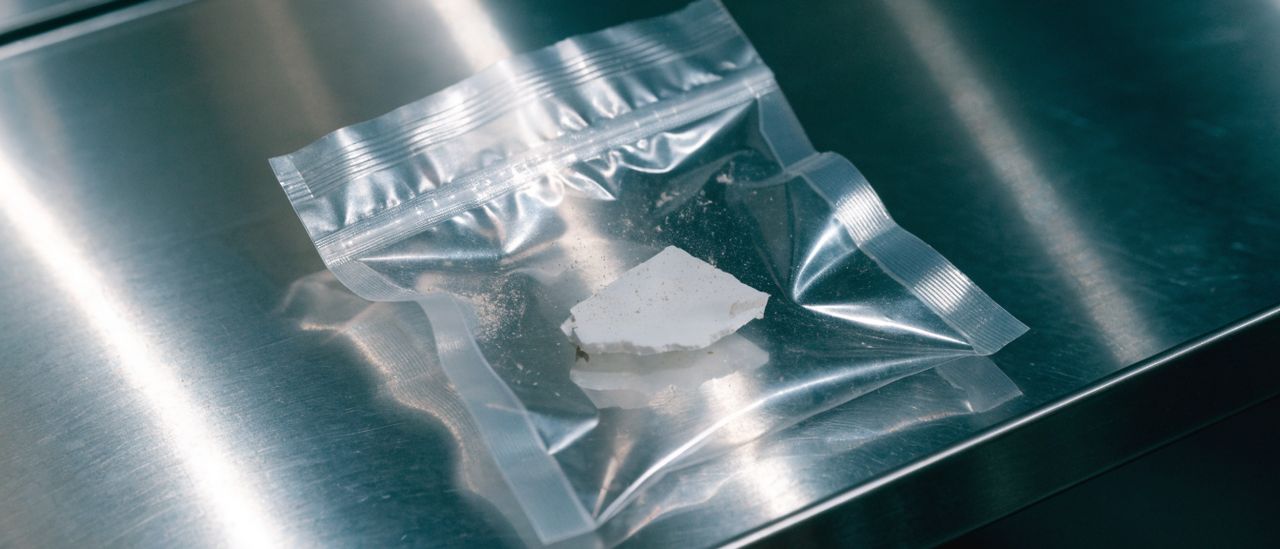
A bulk sample of the popcorn texture is collected — a small piece, usually dampened first to keep it from releasing dust — bagged, labeled, and sent to an accredited laboratory for analysis. Around Amarillo, expect roughly $50 to $100 per sample, with results back in a few business days.
If your house had additions or the popcorn was re-sprayed at different times, more than one sample may be needed, because different ceilings can have entirely different material histories even in the same house.
If Your Popcorn Ceiling Sample Comes Back Positive
A positive result is not an emergency and it is not a reason to panic. An intact, undisturbed popcorn ceiling is not releasing fibers into your house. The hazard is created by disturbing it. You have three legitimate paths:
- Leave the popcorn ceiling and encapsulate it. Paint or a skim coat over intact texture seals the surface. Cheapest, fastest, and perfectly reasonable if you can live with the ceiling profile.
- Cover it with new drywall. A new layer over the top gives you a genuinely smooth modern ceiling with no popcorn removal at all. Costs more in material and adds weight, but avoids disturbing anything.
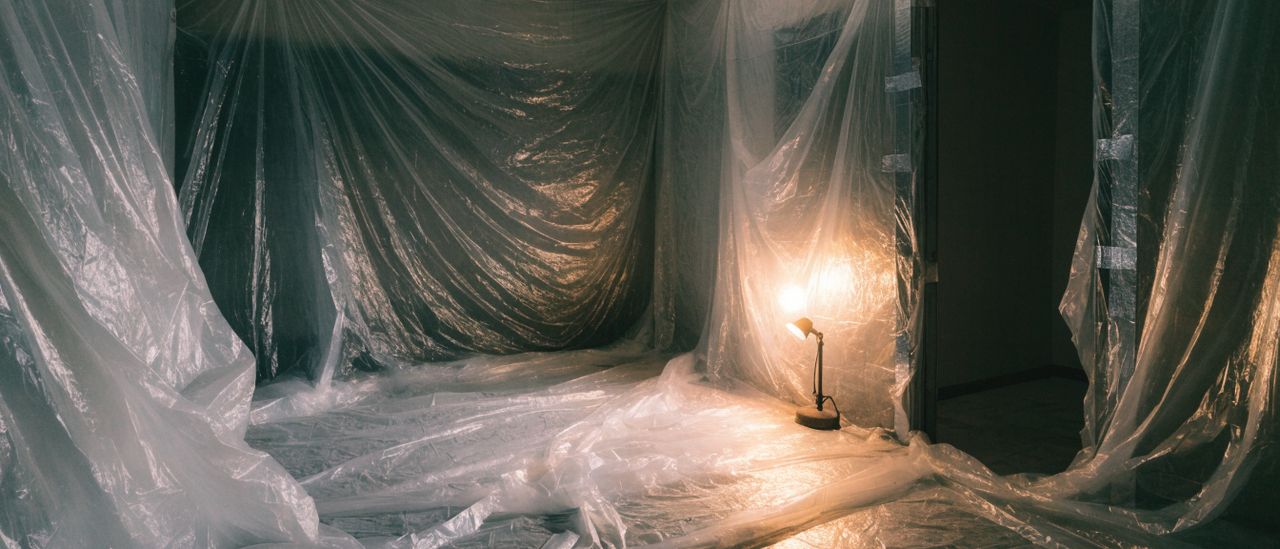
- Remove the popcorn ceiling with proper controls. Full containment, wet methods, proper handling and disposal. This is the permanent answer and the one that closes the question at resale.
Which path makes sense usually comes down to how long you plan to stay and whether the ceiling profile bothers you enough to pay to be rid of it. There is no wrong answer among the three, and anyone insisting a positive popcorn ceiling test forces immediate removal is overselling.
What Not to Do With a Suspect Popcorn Ceiling
Do not dry-scrape untested pre-1980 popcorn ceiling texture. Dry scraping is the single most effective way to put whatever is in that material into the air of your house, and it is exactly the scenario every rule around this subject exists to prevent. Wetting the popcorn texture first is the baseline, not an optional refinement.
Do not sand a popcorn ceiling that has not been tested, either. Sanding produces finer airborne dust than scraping does, and it is the step people reach for when a dry scrape has gone badly.
And do not take a contractor’s word that a 1965 popcorn ceiling is “definitely fine.” A lab test costs less than a single room of removal, and it is the only thing that actually answers the question.